

Home
/
Venus Flytrap Plant - Carnivorous - Dionaea - 2" Pot
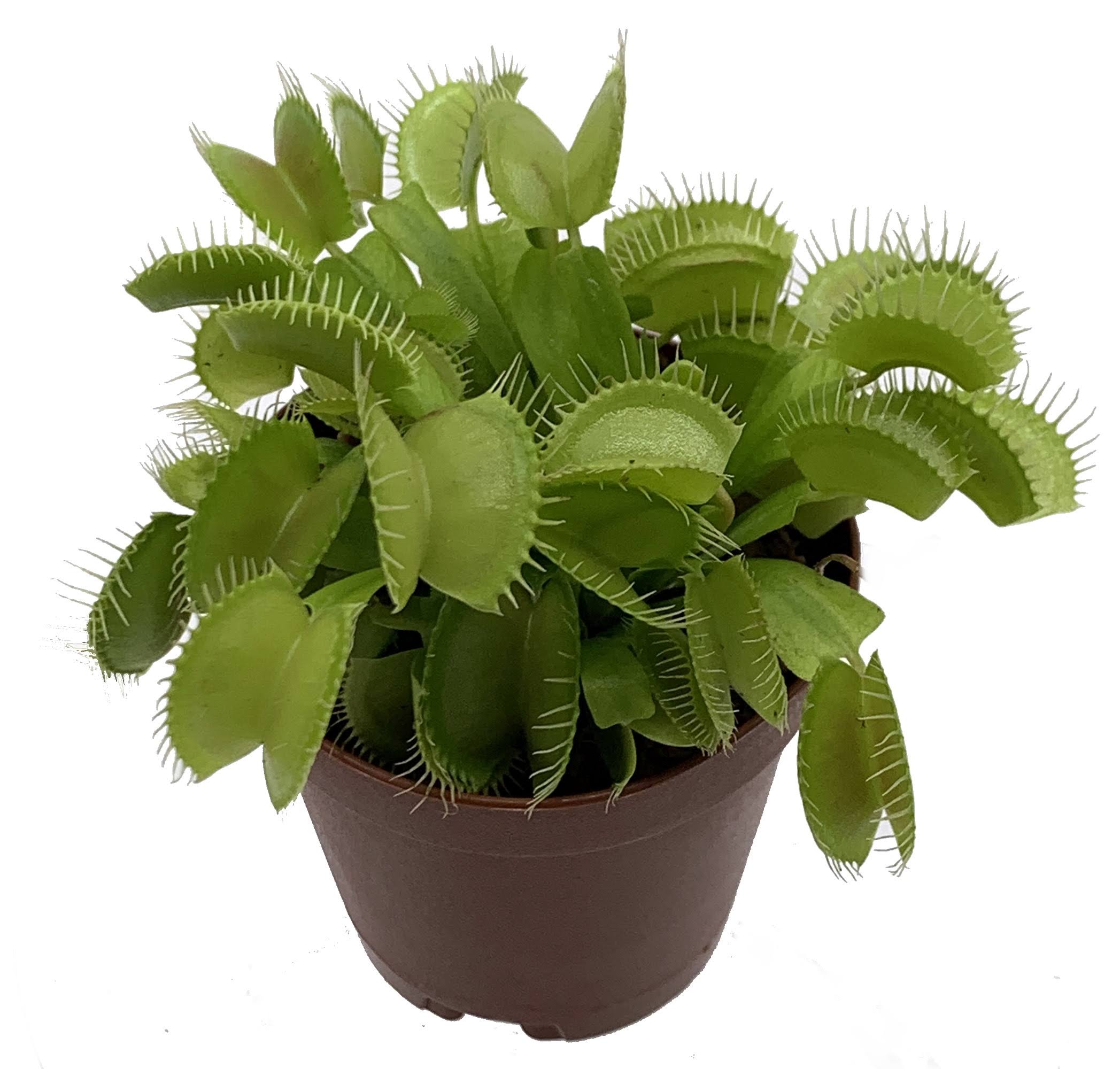
Venus Flytrap Plant - Carnivorous - Dionaea - 2" Pot
Quantity
-
DetailCarnivorous plants have the most bizarre adaptations to low-nutrient environments. These plants obtain some nutrients by trapping and digesting various invertebrates. Because insects are one of the most common prey items for most carnivorous plants, they are sometimes called insectivorous plants. It is not surprising that the most common habitat for these plants is in bogs and fens, where nutrient concentrations are low but water and sunshine seasonally abundant. As many as thirteen species of carnivorous plants have been found in a single bog (Folkerts, 1982). Most plants absorb nitrogen from the soil through their roots. But carnivorous plants absorb nitrogen from their animal prey through their leaves specially modified as traps.Nature provides this remarkable plant with "traps" to lure and capture it's food. The traps are covered inside by tiny hairs and a sticky sweet smelling substance attractive to insects. When an insect touches the trigger hair, the trap is activated and closes around it's victim. After digestion of it's meal (whick takes several days), the trap will open again for a new catch. Keep moist at all times, rainwater or distilled water are preferred. Plants should not be fertilized (so therefore should be separated from your other plants). The insects it catches provide natural nourishment. Select a sunny window for your Venus Flytrap. In replanting only use sphagnum! Peat moss will do in a pinch. Put a plastic saucer underneath the plant to hold water and keep it's humidity proper but do not stand in a dish of water. You will receive: Venus Fly Trap growing in a 3 inch clay pot, similar to the pictures. They are smaller in the winter. Simply trim them off and new ones will quickly sprout.
- 2" Pot
- Keep Moist at all Times
- Hirt's Gardens
- Garden & Patio